
Blog
Всё о фисташках

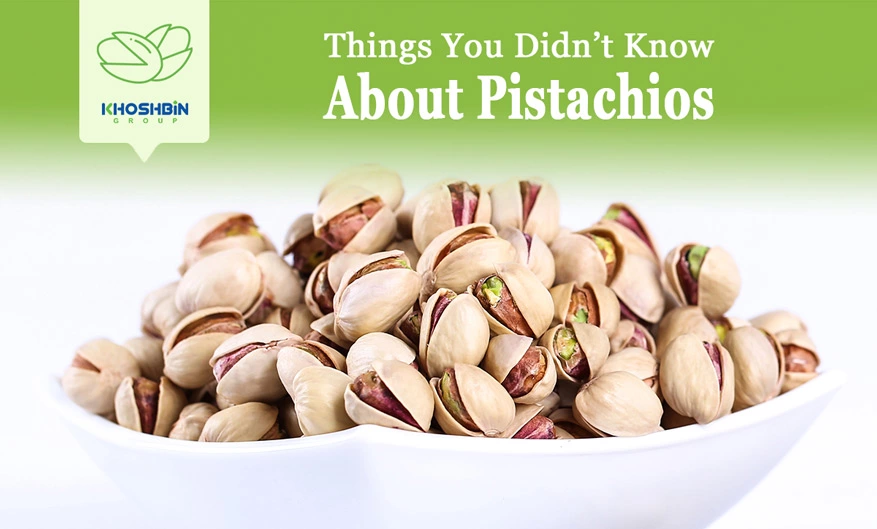
Фисташковые орехи – это съедобные плоды дерева “Pistacia vera“, родом из Западной Азии. Они содержат полезные жиры и являются отличным источником клетчатки, белка, антиоксидантов, витаминов и минералов. Они также содержат много важных питательных веществ и полезны для пищеварения и поддержания здоровья сердца. Более того, фисташки подходят тем, кто стремится сбросить лишний вес и занимается фитнесом.
Люди употребляют фисташки с 7000 г. до н.э. В настоящее время они используются в качестве полезного снэка или ингредиента для приготовления основных блюд и десертов.
В этой статье “Все о фисташках” мы познакомимся с этим прекрасным орехом поближе. Итак, начнем.
Пищевая ценность фисташек
Фисташки богаты питательными веществами. Ниже мы рассмотрим эти вещества и как они влияют на наш организм.
Фисташки содержат большое количество витамина В6, который нормализует уровень сахара в крови и участвует в образовании красных кровяных телец. Они также являются богатым источником антиоксидантов, которые важны для здорового функционирования иммунной системы.
Фисташки являются отличным источником калия. Около 50 фисташковых орехов (одна унция) содержат больше калия, чем половина банана. Организму нужен калий для поддержания уровня PH.
Фисташки содержат много белка. Около 20% веса фисташек составляет белок; в этом отношении они уступают только миндалю. Кроме того, фисташки содержат больше незаменимых аминокислот (строительных блоков белков), чем любой другой вид орехов. Белки играют важную роль в различных функциях организма, включая наращивание мышечной массы, активность ферментов, память и т.д.
Фисташки достаточно калорийны. Одна унция фисташек содержит 159 ккал. Однако в сравнении с другими орехами, фисташки содержат значительно меньше калорий. Так, например, грецкие орехи содержат 185 ккал, а пекан – 193 ккал.
Еще один момент, который следует учитывать, – это содержание углеводов в фисташках. Одна унция фисташек содержит 8 грамм углеводов. В основном это сложные углеводы – важный источник энергии для поддержания метаболизма.
История
История фисташек долгая и увлекательная. Это одно из древнейших цветущих ореховых деревьев, родиной которого является древняя Персия (от Западной до Центральной Азии). Недавние археологические исследования, проведенные в Турции, свидетельствуют о том, что люди употребляли фисташки еще в 7000 г. до н.э. Растущие в жарком климате, фисташки распространились от Ближнего Востока до Средиземноморья, захватив сердца королевских семей, туристов и простого народа.
Существует легенда, что царица Савская провозгласила фисташки исключительно царской пищей, запретив крестьянам выращивать их для личного потребления. Навуходоносор, древний правитель Вавилона, также был ценителем фисташек и выращивал фисташковые деревья в своих знаменитых висячих садах. В первом веке нашей эры император Вителлий представил фисташку в Риме. Согласно мусульманской мифологии, фисташковый орех был одним из плодов, принесенных на Землю Адамом.
Благодаря высокой питательной ценности и длительному сроку хранения фисташка стала незаменимой в путешествиях для первопроходцев и торговцев. Наряду с миндалем, фисташки перевозились путешественниками по древнему Шелковому пути, который связывал Китай с Западом.
Этимология
Слово “фисташка” пришло в русский язык из западноевропейских языков, скорее всего из французского (pistache), где оно позаимствовано из латинского (pistacium) и греческого (pistakion). В греческий слово попало из восточных языков: турецкого (fystyk), персидского (pesteh) и других. Начальный звук “п” трансформировался в “ф” под влиянием турецкого fystyk, поскольку в период с XVIII по XIX вв. именно Турция была основным поставщиком орехов в Россию.
Ботаника
Фисташка настоящая или Фисташковое дерево (Pistácia véra) — многоствольное дерево, нередко кустарник, вид рода Фисташка (Pistacia) семейства Сумаховые (Anacardiaceae). К этому семейству относятся растения с самой разной степенью съедобности. Например, не только съедобные и вкусные кешью и манго, но также и ядовитый плющ и ядовитый сумах.

Среда обитания
Фисташки – истинные растения пустыни, они прекрасно приспособлены к засухе и засоленности почвы. Они активно растут, если оросительная вода содержит от 3 000 до 4 000 промилле водорастворимых солей. Фисташки способны переносить достаточно суровые условия. Они спокойно переносят колебания температуры от -10°C (14 °F) в зимнее время и до +48 °C (118 °F) летом.
Им нужно много жаркого солнца и хорошо дренированная почва. Долгое, жаркое, сухое лето способствует хорошему урожаю. Влажность фисташки переносят плохо. Если в зимнее время растения получили слишком много влаги или отсутствовал хороший дренаж, их корни легко загнивают.
Характеристики
Дерево вырастает до 10 метров в высоту. Имеет простые, тройчатые или перистые листья длиной от 10 до 20 сантиметров, которые опадают в холодное время года. Деревья двудомные – мужские и женские цветки растут на разных деревьях. Цветки однополые, без лепестков.
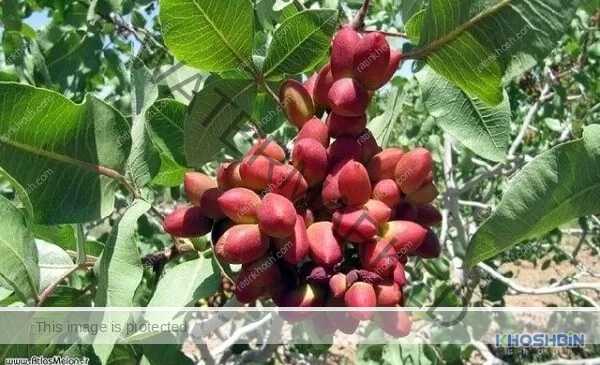
Семена имеют лиловую кожицу и ярко-зеленое ядро с уникальным ароматом. Скорлупа окружена кожисто-волокнистой оболочкой. Когда плод созревает, оболочка высыхает и меняет цвет с зеленого на красно-оранжевый, а скорлупа под ней раскалывается.
Фисташковые деревья имеют широкие корневые системы, позволяющие им глубже уходить в почву. Именно поэтому для них так важна хорошо дренированная почва. Так фисташки выживают в течение длительных периодов засухи. В таких условиях фисташковое дерево обычно может жить долго – до 300 лет.
Морфология и особенности созревания
Фисташки растут гроздьями, подобно винограду. Согласно ботанике, фисташка – это костянка, так же как и персик, миндаль, вишня, абрикос и слива. То, что мы называем орешком – внутриплодник (косточка). Отличие между фруктами и орехами состоит в том, что фрукт – это сочная костянка, а орех – сухая. Сочная костянка – это невскрывающийся плод с мясистым сочным съедобным мезокарпием и склерифицированным эндокарпием (косточка). Сухая костянка имеет мясистый мезокарп в начале созревания плода, но при полном созревании – полусухой или сухой, несъедобный. У фисташки экзокарпий тонкий, желто-кремовый или фиолетовый, мезокарпий в начале созревания плодов сочный, при созревании подсыхает и становится тонким; эндокарпий (косточка) – гладкий, тонкий, вскрывается створками. Семя крупное, с тонкой коричневой кожурой, в которой заключен зародыш с двумя мясистыми зелеными семядолями. В пищу используют семена.
Деревья бездействуют с декабря по февраль и начинают цвести в конце марта, когда погода становится теплее. Всего одно мужское дерево необходимо для опыления до 30 женских деревьев. Мужское дерево оплодотворяет женское благодаря апрельским ветрам, а в середине мая полностью развивается скорлупа ореха. До конца июня семя внутри скорлупы ускоренно развивается, и к первому августа уже заполняет скорлупу. Когда орехи раскалываются по швам, они готовы к уборке. Обычно это происходит в первую неделю сентября.
На созревание семян указывает рыхление и отделение мягкой внешней кожуры от скорлупы с последующим расколом скорлупы внутри ослабленной кожуры. Скорлупа раскалывается с характерным треском, так приятным человеческому уху. Но на самом деле, не все 100% орехов раскалываются при созревании. Это зависит от сорта, погодных условий и полива.
Для всех сортов фисташек характерно раскалывание скорлупы до полного отделения внешней кожицы. Расколотая скорлупа открывает доступ спорам грибков-аспергиллов (Aspergillus Flavus) к ядру ореха. Поэтому для предотвращения поражения афлатоксинами – ядовитыми веществами, вырабатываемыми грибками-аспергиллами, раскрытые фисташки необходимо собрать, очистить от внешней кожуры и высушить максимально быстро.
Теперь, когда вы узнали все о фисташках, вас может заинтересовать “Полный путеводитель по фисташковой промышленности”.
Leave a Reply
Things You Didn’t Know About Pistachios
Pistachio nuts are edible seeds of the “Pistacia vera”, a tree native to Western Asia. People have been consuming pistachios since 7,000 BC for snacks. Nowadays, pistachio products are used for various purposes such as snacking, bakery, cooking, confectionery, etc., in different food sectors.
But how much do we know about pistachio nuts? Are they nuts or seeds? Where do they grow best? What are the good things about pistachios? And who produces the most pistachios?
Today we aim to answer these and a few more questions about pistachios from the point of view of both pistachios suppliers and consumers.
Nutrition Facts of Pistachios
The good thing about pistachios is that they are loaded with nutrients. Pistachios are rich in vitamin B6. These vitamins play roles in blood sugar regulation and the formation of red blood cells. Pistachios are also a rich source of antioxidants. Antioxidants are necessary for the healthy function of the immune system.
Pistachios are an excellent source of potassium. Around 30 pistachio nuts (one ounce of pistachio) contain more potassium than half a banana. The body needs potassium to maintain its PH level.
Eating pistachios is good for the body because they contain protein. Around 20% of pistachio weight is made of protein. They provide almost all the essential amino acids your body needs. Proteins play essential roles in various bodily functions, including muscle building, enzyme activity, memory, etc.
Pistachios also have a lower fat content (only 13 grams) than other snacking nuts. These are healthy, unsaturated fats.
Another point to consider about pistachios is their carbs content. One ounce of pistachios contains 8 grams of carbs. These carbs are mostly dietary. They are a significant source of energy to support metabolisms in the body.
If you look at the nutrient profile below, you may think that pistachios have high calories. One ounce of pistachio contains 159 calories, which seems a bit high. But pistachios have lower calorie contents than walnuts (185 calories) and pecans (193 calories).
| Calories | 159 |
| Carbs | 8 grams |
| Fiber | 3 grams |
| Protein | 6 grams |
| Fat | 13 grams (90% are unsaturated fats) |
| Potassium | 6% of the Reference Daily Intake (RDI) |
| Phosphorus | 11% of the RDI |
| Vitamin B6 | 28% of the RDI |
| Thiamine | 21% of the RDI |
| Copper | 41% of the RDI |
| Manganese | 15% of the RDI |
Pistachio Health Benefits
Some of the most known health benefits of pistachios include the following:
- Pistachios are weight-loss-friendly foods, like other nuts, despite being energy-dense foods. Protein and fiber in pistachios help you eat less by increasing the feeling of fullness. Consuming 53 grams (1.9 ounces) of pistachios every day as an afternoon snack may double the reduction in body mass index.
- Pistachios help promote healthy gut bacteria. When fiber passes through the digestive system it is mostly undigested. It acts as prebiotics. But good bacteria (probiotics) in the gut digest fiber.
- Pistachios help lower the risk of heart disease by lowering cholesterol levels in the blood. They also help reduce blood pressure more than other nuts.
- Pistachios promote blood vessel health. They contain the amino acid L-arginine. L-arginine is necessary for producing nitric oxide. This acid plays a vital role in promoting blood vessel health.
- You should be careful with consuming pistachios. If you always stick to the recommended one ounce per day, you will never have problems with pistachios.
History
There is a long and rich history of pistachios. Pistachios are one of the oldest known flowering nut trees. They originated in ancient Persia (Western to Central Asia, Fig 1). Recent archeological proof in Turkey shows that people ate pistachios as early as 7,000 B.C. Pistachios expanded from the Middle East to the Mediterranean. They soon became a treasured food between royalty, tourists, and common folk.

It is said that the Queen of Sheba became interested in pistachios. She declared pistachios as only royal food. She forbade people from producing the nut for their personal use. Nebuchadnezzar was the ancient ruler of Babylon. He planted pistachio trees in his famous hanging gardens. Also, in the first century A.D., Emperor Vitellius introduced this expensive nut to Rome.
Pistachios have high nutritional value and long storage life. Early explorers and traders used them as travel food. Travelers carried pistachios and almonds across the ancient Silk Road that connected China with the West.
Etymology
Pistachio is from late Middle English “pistace,” from Old French “pistache,” superseded in 16th century by forms from Italian “pistachio,” via Latin from Greek “pistachio,” from old Persian “pesteh.”
Botany
The common pistachio is the only edible species in the genus Pistacia Vera. There are 10 other species that are also called pistachio but are inedible. When someone mentions “pistachio” in everyday conversation, they usually mean the edible, common pistachio. It has a cream-colored hard shell and a purple-skinned kernel. Pistachio (Pistacia vera) is a member of the family Anacardiaceae. So it is related to mango, cashew, oak, poison ivy, pepper tree, and sumac.
Habitat
Pistachios are desert plants which means they are incredibly tolerant of saline soil. They can grow strongly when irrigation water contains 3,000 to 4,000 ppm water-soluble salts. Pistachios are capable of enduring relatively challenging conditions. For example, they can well tolerate temperatures ranging between −10 °C (14 °F) in winter and 48 °C (118 °F) in summer, provided the soil is suitably drained.
The pistachio trees have widespread root systems. The root systems go down deep into the soil. That’s why they need well-drained soils. The tree can endure high levels of irrigation water. It can also tolerate salinity in soil or irrigation water. The pistachio tree can live long in these conditions for up to 300 years.
Pistachio trees can’t grow in high humidity conditions. They are susceptible to root rot in winter if they receive too much water and the soil is not well-draining. Long, hot summers are suitable for the proper ripening of the fruit.
Morphology
The pistachio tree is relatively small and grows up to 10 meters tall. It has pinnate leaves 10 to 20 centimeters long. The leaves are deciduous (they fall in cold seasons). The trees are dioecious, which means they are either male or female. The flowers are unisexual and apetalous (without petals) borne in panicles.
The trees are dormant during the cold season from mid-December to late February. They start to bloom with the weather getting warmer in late March. Just one male tree is required to pollinate up to 30 female trees. The male fertilizes the females through the April winds. They start to develop the nut’s shell from mid-May. The seed inside the kernel experiences rapid development before June ends. By August, it would fill the shell. Ripe nuts start to split at the suture (seam) early in September.
Each pistachio nut grows in fruit packs of various nuts, similar to grapes. Botanically, they’re drupes like peaches, almonds, cherries, apricots, and plums. Drupe means “stone fruit.” A drupe consists of a hull and a shell that encloses a kernel (the edible seed). Pistachios discard their hull and typically split open when ripen. This reveals the kernel inside.
The seed has a purple to brown skin and bright green flesh. It is surrounded by a hard shell, with a unique flavor (Fig 2). When the fruit ripens, the shell changes from green to autumnal red/orange (naturally beige) and splits open.
Maturation
During the ripening of the fruit, the skin becomes loose and divides from the shell. After this, the shell splits inside the slackened hall. Splitting open is a trait that humans have selected. It happens by an audible pop or sound. But not all nuts break open when they ripen. Splitting depends on the cultivar, weather circumstances, and irrigation plan.
Shell splitting before detaching from the hull is controlled by genetics. Shell splitting makes the kernel liable to contamination by Aspergillus Flavus spores. Suppose you don’t harvest these nuts quickly. They may create suitable conditions for the production of aflatoxin.
Harvest
Pistachio harvest in the northern hemisphere begins in early September and ends by the second week in October. Most trees are harvested within a two-to four-week period. So, there is intense competition over-harvesting equipment and workers during harvest peaks.
In the southern hemisphere such as in Australia, pistachios begin to ripen in late February/March.
In extreme hot summers, the harvest may be earlier in both hemispheres.
Pistachio is an alternate bearing plant. It yields a bigger corp in one year and a smaller crop the following year.
Top Pistachio Producing Countries
Up until the 1970s, Iran was the sole top producer and exporter of pistachios in the world. More than 90 varieties are cultivated in the country as of 2022. The number of wild pistachios is even more. Iranian pistachios dominated the market for more than a century. But, the introduction of the US embargo on Iranian Pistachios in the 1980s resulted in a boom in American pistachio production.
Currently, the US is the leading producer of pistachios in the world. The country produces more than 46% of the world’s production, followed by Iran and Turkey. The three countries collectively produce more than 95% of the in-shell pistachios in the world. American pistachios have Persian origin. But Turkish pistachios are of different varieties. [You may as well like to know more about pistachio industries in these countries.]
10 Facts You May Not Know About Pistachios
1- Pistachios are also called “smiling nuts.”
2. They are loaded with 30 types of vitamins.
3. One ounce (1 oz) of pistachios contains as much protein (6 grams) as an egg.
4. The pistachio shell helps you consume less. [You may be discouraged to eat when you look at the pile of pistachio shells in front of you].
5. Pistachios were once considered a royal food.
6. They are heart-healthy foods.
7. American Pistachios have Iranian origin. The most cultivated female pistachio cultivar in the US (Kerman) was brought to the US in the 1920s from Iran by a botanist called William Whitehouse.
8. The fiber in the pistachio keeps you full for a longer time.
9. Pistachios are used for culinary and non-culinary purposes. They can be used as a snack or in both savory and sweet recipes.
10. They open on their own. Pistachios “split” open when they are still on trees.
conclusion
Pistachios are among the healthiest food ingredients and snacks. There is a lot we don’t know about this delicious nut. Research on the health benefits of pistachios is accumulating. We are learning more about pistachio merits in a matter of weeks.
We tried to include what we thought was necessary to our readers in this article. More will come in the future, so please stay tuned to the site.Please share this post with your friends and colleagues, and make us happy by leaving a comment in the comment section.
FAQ

Does the pistachio fruit or drape have any useful properties?
Is the word pistachio at all related to the Greek word “pistis”?